What we do
A roofing-specific build, not a repurposed Google Ads account
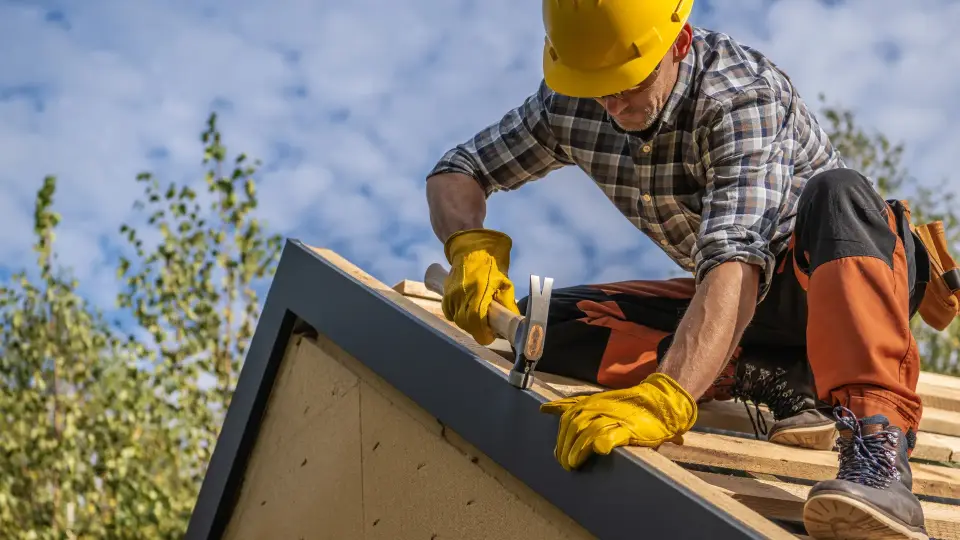
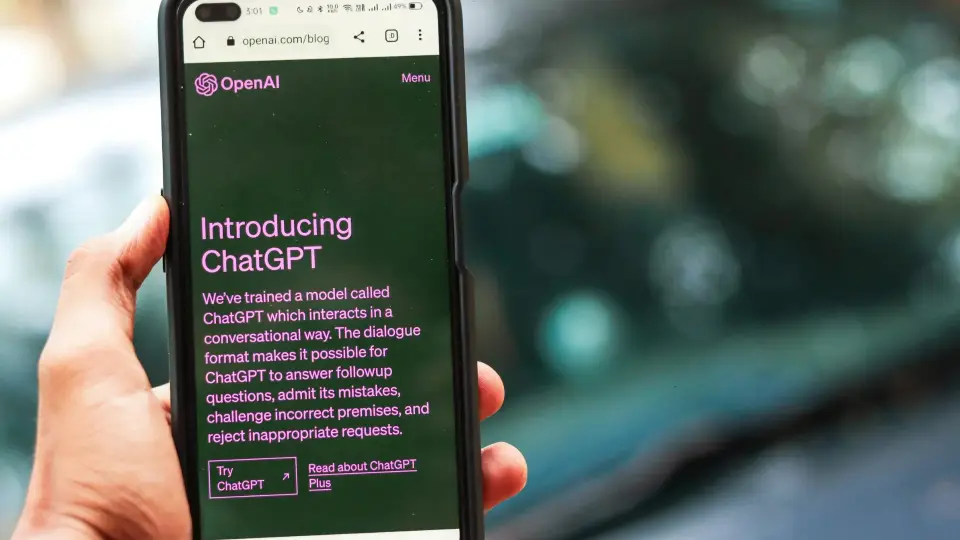
ChatGPT ads are bought on conversation, not keywords. That changes the account structure, the creative, and how you measure a lead. Six things get built before any spend goes live.
Account setup
Ad account, billing, service area, and conversion actions configured cleanly from day one — you own the account, not us.
Context hints
The written guidance that decides which conversations can surface your ad — replacement, repair, storm damage, insurance claims, emergency leaks.
Creative that answers
Headlines and descriptions written for a homeowner mid-problem, not for a keyword. Tested in small rotations so results are readable.
Lead tracking
Calls, form fills, and booked inspections tracked through to your CRM, so "leads" means appointments — not clicks.
Weekly tuning
Bids, hints, and creative adjusted against real inquiry data, with a one-page monthly report that shows cost per booked estimate.
Landing pages
Fast, single-offer pages with your reviews, service area, and licence details — built to convert a conversation into a call.
Definitions
The five terms that decide whether this channel works
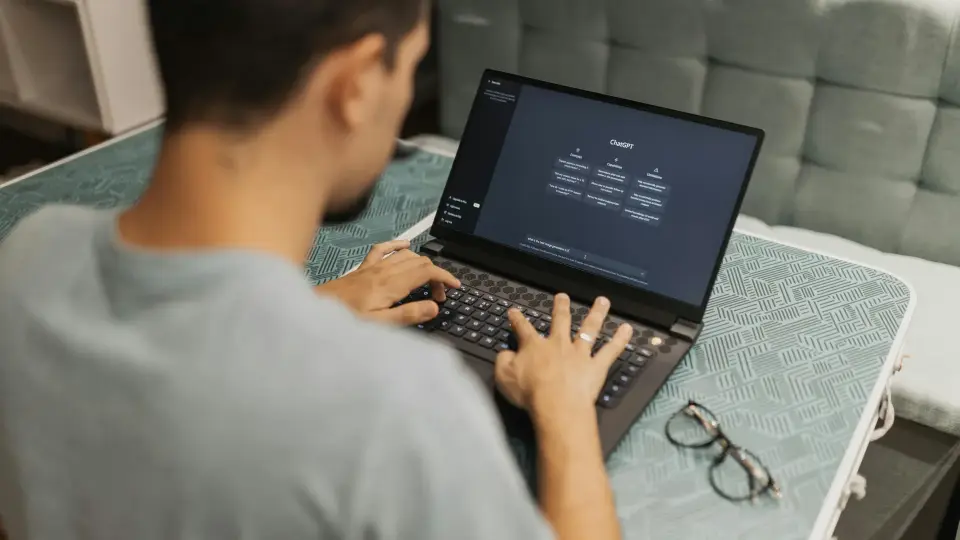
ChatGPT advertising has its own vocabulary. These definitions are the ones that change how you read a report, set a budget, or judge a lead.
- Context hints
- The advertiser-written guidance that tells the platform which kinds of conversations your ad may appear in. For a roofer that means replacement, repair, storm damage, insurance claims, and emergency leaks. Hints replace keyword bidding — you describe relevance, not a phrase list.
- Sponsored placement
- A clearly labelled advertising slot beneath the assistant’s answer. Advertising stays outside the answer itself, so the homeowner always knows what is paid and what is generated.
- CPC (cost per click)
- What you pay for one visit. OpenAI recommends starting with a maximum bid of $3–$5 per click; the bid is a ceiling in an auction, so the amount charged is usually lower.[1]
- CPM (cost per thousand impressions)
- What you pay to have the ad shown a thousand times. Useful for forecasting reach when a campaign is optimised toward visibility rather than clicks.
- Conversions API
- A server-to-server feed that reports outcomes from your CRM or call-tracking system, so booked estimates are attributed even when a browser blocks the client-side pixel.
- Qualified roofing lead
- Our working threshold: a homeowner inside your service radius, with a described roof problem, a reachable phone number, and a stated intent to get an inspection or quote. Anything shorter than that is an inquiry, and we do not count it as a lead.
Channel comparison
How buying a roofing lead on ChatGPT differs from Google Ads
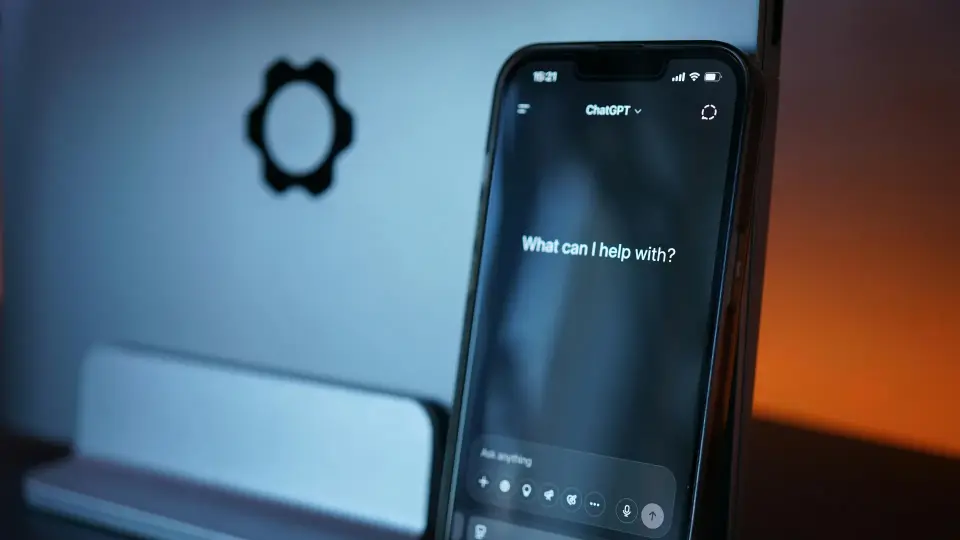
Not a replacement for search. A second, earlier conversation — with different economics and different work.
| What changes | ChatGPT ads | Google search ads |
|---|---|---|
| Where the ad sits | Clearly marked sponsored placements below the answer, inside an ongoing conversation. | Top or bottom of a results page, usually under the local map pack. |
| How targeting works | Advertiser-written context hints matched to what the conversation is about. Prompt text is never shared with advertisers.[1] | Keyword bids, match types, negatives, and audience layers. |
| Cost per click | $3–$5 is OpenAI’s recommended starting max bid; advertisers report paying above and below it.[1] | Roofing terms commonly land in the tens of dollars per click in competitive metros. |
| Buyer intent | Descriptive and conversational — the homeowner explains the problem before they shop. | Query-shaped, often late-stage and price-checking. |
| Competition | Thin by category. Few roofing companies are buying here yet. | Saturated in most metros; national lead sellers bid hard. |
| Maturity | Newer channel, smaller volume, fewer benchmarks published. | Mature, predictable, heavily documented. |
Bid guidance comes from OpenAI’s advertiser documentation: a $3–$5 recommended starting maximum CPC and a $25 USD daily campaign minimum.[1] Roofing click costs on Google vary by market and season; every per-click figure here is a range to test, not a promise, and nothing on this page guarantees lead volume or cost per lead. Full citations are listed under sources and methodology.
How it works
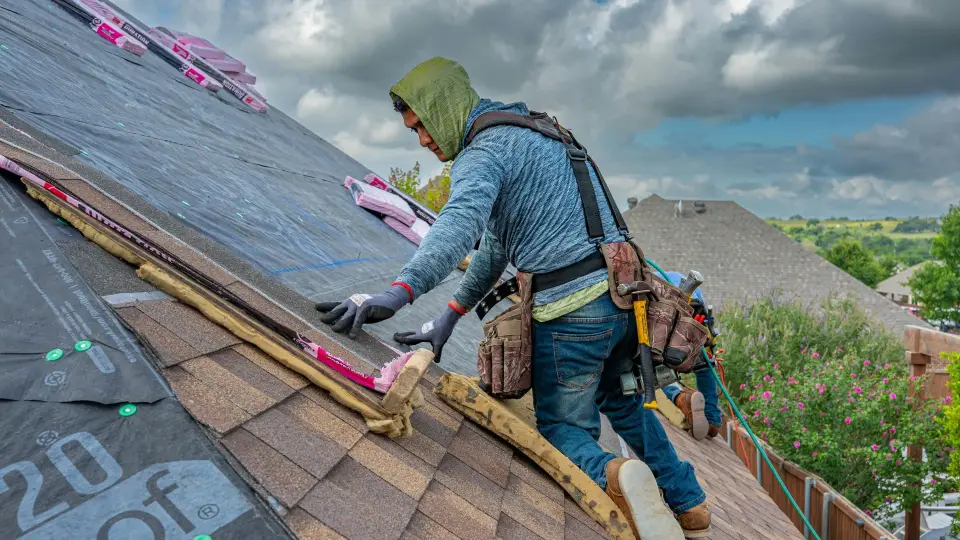
Two weeks to live, then a monthly rhythm
Week 1 — fit and setup
We check your market, average job value, and service radius against what the channel can realistically deliver. If it does not fit, we say so on that call. If it does, the account is built.
Week 2 — launch
Context hints, campaigns, tracking, and landing pages go live together. Calls route to your office number or a tracked line, and every inquiry lands in one place.
Monthly — tune and report
Hints and creative tightened weekly against booked estimates. One page back to you each month: spend, inquiries, booked jobs, and what changes next.
| Stage | Timing | What we do | What you get |
|---|---|---|---|
| Fit check | Day 0 — 20 minutes | Market, job value, service radius, and existing channel mix reviewed against the platform’s limits. | A written go or no-go, with the reasoning stated plainly. |
| Build | Days 1–7 | Account, billing, service area, context hints, creative, tracking, and landing pages produced in parallel. | A launch checklist and preview links for review. |
| Launch | Days 8–14 | Campaigns go live; tracking verified end to end with a test call and a test form submission. | First impressions and clicks, and a working inquiry path. |
| Optimise | Weeks 3–8 | Weekly hint and creative adjustments against real inquiry data; budget shifted to whatever produces booked estimates. | A monthly one-pager: spend, inquiries, booked jobs, next change. |
| Decide | Day 60–90 | Cost per booked estimate compared with your other channels, using your close rate. | A scale, hold, or stop recommendation in writing. |

Straight talk before you spend anything
- Volume will be smaller than Google. This channel complements search; it does not replace a $10k/month Google budget on day one.
- No lead-count guarantees. Anyone promising 40 roof leads a month on a fixed fee is guessing with your money.
- A minimum viable budget exists. Below roughly $25–$30 a day in ad spend, there is not enough data to optimise anything.
- Storm season moves fast. Hail and wind events spike demand for days, so hints and geo coverage need to be ready before the event, not after.

Formats
Two formats, chosen on purpose
Roofing is a local service with a high-value, infrequent purchase. Shopping and listing formats are built for catalogues and side-by-side retail comparison, so we leave them out and put the budget where inquiries actually come from.
Search ads
Your company appears beneath the answer when the conversation is about roof repair, replacement cost, storm damage, or finding a local contractor.
Measured on clicks, calls, and cost per inquiry — the same way you would judge a search campaign.
Lead generation
Campaigns built around the inquiry itself: a call, an estimate request, or a booked inspection — captured inside the conversation instead of after a page hop.
Leads route to your phone or CRM the same day, with the source recorded so you can see which conversations convert to signed jobs.
The conversations
What roofing demand actually looks like in a chat
Four patterns of roofing demand we write context hints for. These are illustrative examples, not quotes from a client account — individual prompt text is never shared with advertisers.
-
Who are the best roofers near me? I need a quote this week.
Local-recommendation intent. Hints tied to your service radius and service mix decide whether you are eligible to appear.
-
What should a full roof replacement cost on a 2,000 sq ft house here?
Budgeting stage. The homeowner is planning, not browsing — the strongest earlier-funnel moment this channel gives you.
-
Storm took shingles off last night. Who can tarp it today?
Emergency intent. Response time and a working after-hours phone number matter more than the ad copy.
-
My insurer asked for a contractor's report on hail damage — how do I pick one?
Claim-adjacent intent, high job value. Creative that mentions insurance documentation wins here.

Pricing
One flat fee, no percentage of spend
We do not take a cut of your media budget, so there is no incentive to inflate it. The fee covers the work, and you keep the ad account, the conversion data, and the landing pages if you leave.
Most roofing clients start with 60–90 days to get a real read on volume and cost per inquiry, then decide on the next quarter with actual numbers in hand.
| Average job value | Jobs per 5 inquiries | Max cost per inquiry |
|---|---|---|
| $8,000 | 1 | $1,600 |
| $14,000 | 1 | $2,800 |
| $25,000 | 1 | $5,000 |
The arithmetic, so you can run it with your own numbers: cost per inquiry must stay below job value × close rate. Swap in your gross margin and the ceiling drops. This is a planning tool, not a forecast — it tells you when the channel stops making sense, not how many leads it will bring.
- United States
- Canada
- United Kingdom
- Ireland
$1,500USD / month
Month to month. Cancel with 30 days’ notice.
- Full account build and management
- Context hints and creative testing
- Call, form, and CRM conversion tracking
- Landing pages, hosted and maintained
- Weekly tuning and a monthly one-pager
- Direct line to the person running it
- Ad spend (paid to OpenAI, from $25/day)
- No lock-in, no percentage of spend
Eligibility
Who this works for, and who it does not
Good fit
- Roofing contractor with a defined service radius and a real local phone number
- Average job value above roughly $5,000, so one extra job pays for months of management
- Can answer inbound inquiries the same day, including after storm events
- Able to commit $30–$75 per day in ad spend for 60–90 days
- Already running Google or Meta, and wants a cheaper earlier-stage conversation
Poor fit
- Lead brokers and aggregators reselling the same inquiry to several contractors
- Sub-$3,000 average job values, where ad spend cannot clear the break-even line
- Anyone expecting Google-scale volume in month one — this channel is smaller
- Contractors with no one answering phones — speed to lead decides the outcome
- Multiple-city franchise rollouts where the destination page is the same for every market
FAQ
Questions worth asking before you sign
Do ChatGPT ads actually produce roofing leads?
Yes, with a caveat worth stating up front: volume is smaller than Google Ads and OpenAI publishes no benchmark conversion rates. What the channel does produce is inquiries from homeowners describing a specific roof problem in their own words, which tends to mean a shorter path to an inspection. Test it for 60–90 days, measure cost per booked estimate against your close rate, and scale only if the arithmetic works in your market.
What exactly does the $1,500 cover?
The $1,500 covers labour and tooling: account build, context-hint writing, creative production, conversion tracking, landing pages, weekly optimisation, and monthly reporting. Two things sit outside it — ad spend, paid directly to OpenAI from $25 USD per day per campaign, and any optional build work you request beyond the included landing pages. There is no setup fee and no percentage of spend.
Can I see the prompts people type?
No. Individual prompt text is never shared with advertisers. You see impressions, clicks, spend, average CPC and CPM, click-through rate, and the conversions you have configured. Targeting runs on the context hints you write and the conversation topics they are matched against, not on harvested prompts.
Do I need a website?
No. A site helps with trust and gives non-converting traffic somewhere to go, but it is not required. If you do not have one, a single-offer landing page is built as part of setup — reviews, service area, licence details, a phone number, and a short form — and the ads point there instead.
We already run Google Ads. Does this conflict?
No, and they should not compete. Google captures demand at the moment someone searches; ChatGPT reaches the same homeowner earlier, while they are still describing the problem. Running both lets you compare cost per booked job across channels, which is the only comparison that survives scrutiny.
How fast can we start, and how do we cancel?
Build and launch take about two weeks from kickoff, assuming site access and billing details arrive in week one. Management is month to month with 30 days’ notice. On cancellation you keep the ad account, the conversion tracking setup, and the landing pages, so a future team can pick up where we stopped.
What does a roofing lead cost on ChatGPT?
There is no published benchmark, so treat any per-lead figure you hear — ours included — as a range to test. What you can calculate in advance is the ceiling: cost per inquiry has to stay below average job value × close rate. On a $14,000 average job at a 20% close rate, that ceiling is $2,800 per inquiry. At $8,000 it is $1,600. If your quoted cost per lead is above that line, the channel does not work regardless of how good the creative is.
How quickly will I see leads?
Impressions and clicks usually appear within days of launch. The first genuine inquiries typically land inside the first few weeks, and a 30-day read is enough to see direction. The decision point is 60–90 days, because roofing demand is weather-driven — a single storm week can carry a month of inquiries, and a dry month can flatten the same campaign.
Are the leads exclusive to us?
Yes, structurally. You are not buying a shared lead from a broker: the campaign runs in your ad account, under your brand, and every inquiry comes directly to your phone or CRM. No other contractor receives the same inquiry, and nothing is resold.
What do you need from us to start?
Four things: a service area map, your average job value and close rate, a phone number that gets answered during business hours, and admin access to an ad account (or permission to create one you own). Billing and any site access follow in week one.
Tell us the market. We’ll tell you if the channel can carry it.
Twenty minutes, no deck. You describe your service area and average job value; we tell you what ChatGPT ads can realistically do there — including when the answer is to wait.
What happens after you submit
- Response from Ahmet within one business day
- A 20-minute call, no slide deck
- A straight go or no-go for your market
- No newsletter, no drip sequence
Sources and methodology
Where the numbers on this page come from
Every figure is either sourced, calculated, or explicitly labelled as a range to test. Nothing on this page is a projection dressed as a result.
- OpenAI advertiser documentation — recommended starting maximum CPC of $3–$5, the $25 USD minimum daily campaign budget, and confirmation that individual prompt text is not shared with advertisers. help.openai.com
- Google Search Central, FAQ structured-data guidance — the rules followed for the Q&A markup on this page. developers.google.com/search
- schema.org, Service and DefinedTerm — the vocabularies used to describe the offer and the terminology above. schema.org/Service
- web.dev, Core Web Vitals — the performance thresholds the landing pages are built against. web.dev/vitals
- National Roofing Contractors Association — trade terminology and service-category context used in the definitions section. nrca.net